
AI Empowers Students,OpenAI, Adobe, and Canva with AI Trends Newsletter #72

Search for a command to run...
No comments yet. Be the first to comment.
ChatGPT's innovative new shopping tools are revolutionizing internet shopping through bespoke recommendations, streamlined searching, and future-proof

Alibaba's cutting-edge Qwen 3 AI raises the bar in China's competitive tech scene with hybrid reasoning, multi-language capabilities
our comprehensive guide to HiggsFieldAI, StanfordAI, GenSpark, Veo2, Hunyuan3D, Adaptive AI, and Seedream 3.0. Discover their unique purposes, features, and potential. The AI landscape is ever-changing, with new platforms and tools developing at bre...
Discover features, advantages & disadvantages, and tips to select the perfect tool for your creative purposes—no design expertise needed!

Perplexity AI's latest iOS Voice Assistant transforms on-device AI activities—book a reservation, send an email, play media & more with voice commands. A Siri alternative with real-time web search and multi-app integration Perplexity's voice assista...
📰 News Bulletin 📰
1️⃣ 🚀 OpenAI, Adobe, and Canva Redefine AI Trends*AI leaders innovate as a global chip-buying spree fuels their progress.*
2️⃣ 🌈 AI Empowers Students with Disabilities*AI tools open up education to students with disabilities, but schools struggle to embrace the change.*
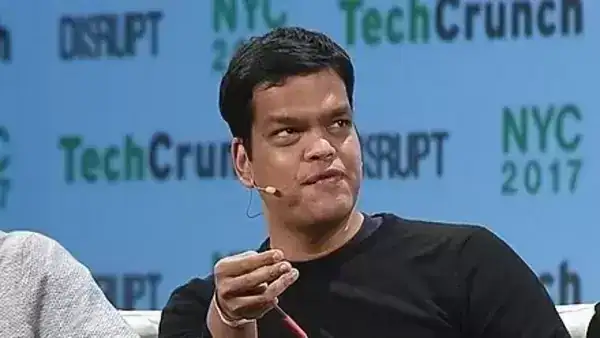
3️⃣ 🤝 “Thank You, Aravind!” – Immigration’s Role in Tech*An American executive credits an Indian immigrant for creating AI-driven opportunities.*
4️⃣ 🛡️ Trump’s AI Advisor Defends Sriram Krishnan*David Sacks defends Sriram Krishnan amidst criticism over AI policy strategies.*
5️⃣ 🌏 Trump Balances China Ties in Frontier AI Policy*Trump balances U.S.-China AI rivalry, with a focus on innovation and security.*
The AI revolution is accelerating, with OpenAI, Adobe, and Canva spearheading trends that redefine creativity and productivity. OpenAI is driving conversational AI, Adobe integrates generative AI into its creative suite, and Canva makes design accessible to non-professionals with AI-powered tools. Meanwhile, the global demand for AI chips has surged, with companies scrambling to secure these essential components for machine learning and AI development. The buying frenzy led by the likes of NVIDIA and AMD reflects growing importance of computational power in AI innovation, with this combination of software development and hardware demand emphasizing the fact that AI is driving industry change at unprecedented speeds-a thrilling period of technological transition.
Artificial intelligence is breaking down barriers for students with disabilities, offering tools that promote accessibility and personalized learning. Whether it's text-to-speech apps or real-time sign language interpreters, AI is opening up new doors to inclusivity. For example, speech recognition software supports students with communication challenges, and visual aids help those who have impaired vision. However, schools do not realize the full benefits of AI because of limited resources and teacher training. Furthermore, concerns about data privacy and equal access add a level of complexity to this process. Still, the force of AI is undeniable. It will help students navigate challenges and unlock their potential, as institutions evolve to include AI as part of the educational experience.
An American executive recently expressed gratitude to Perplexity.ai’s CEO, Aravind Srinivas, an Indian immigrant, highlighting the critical role of global talent in job creation. As AI-driven companies like Perplexity reshape industries, leaders like Srinivas demonstrate how innovation transcends borders. The executive's assertion reflects broader discussions on what immigration contributes to the tech sphere, where diverse opinions stimulate innovative breakthroughs. For instance, Srinivas has led Perplexity's growth, showing how individuals from all walks of life create opportunities in new areas, such as generative AI. The sincere declaration highlights the role of inclusiveness and collaboration in a borderless economy where individuals belonging to different backgrounds push economic development and technological progress as one.
David Sacks is a prominent tech entrepreneur and an AI advisor to Donald Trump, who recently silenced criticism of Sriram Krishnan, one of the key figures in AI policy. As debates about AI regulation rage on, Sacks defended Krishnan's vision, underlining strategic insights and commitment to innovation. The incident played out as political rhetoric collided with the tensions within the tech industry, as some raised questions about Krishnan's influence on national AI strategies. Sacks focused on Krishnan's expertise, though, and told detractors to stay focused on progress over personal attacks. This response highlights the broader challenges that lie in navigating AI policy within a polarized environment. The balance between innovation and regulation is critical.
Donald Trump, former President of the United States of America, has taken a tightrope between policies on frontier AI that affect China. The new high-tension AI rivalry raises tension as both compete in gaining dominance over the newest emerging technologies. By opposing the advancement of China through full-scale decoupling, Trump's policies seek to protect intellectual property while creating domestic innovation. This strategy includes encouraging U.S. firms to lead in AI with safeguards against technology transfer. Critics argue that the balancing act may undermine global cooperation on AI ethics and security. However, Trump's stance reflects the complex geopolitical realities of the AI race, where national interests intersect with the global implications of technological leadership.