
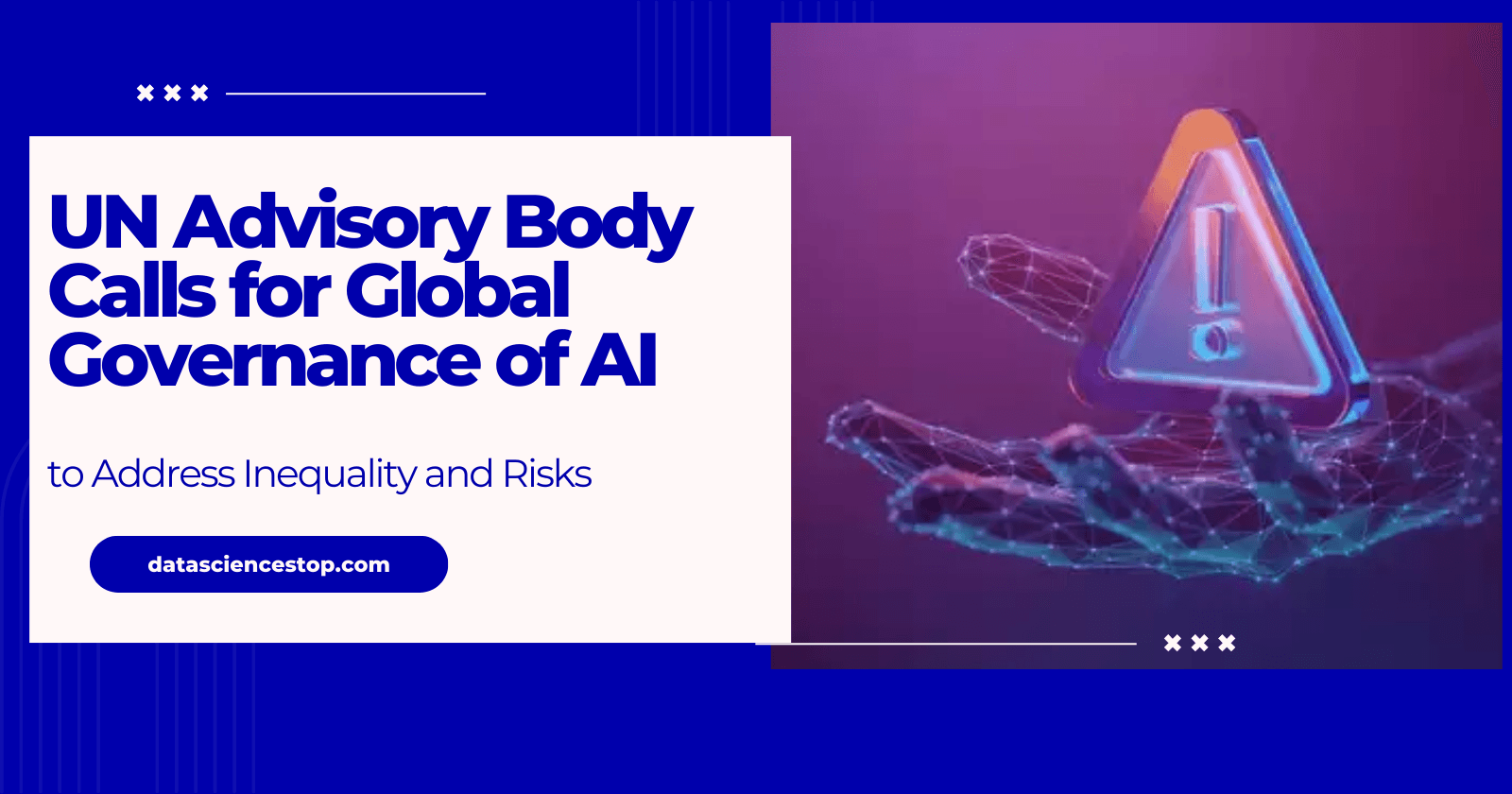
UN Advisory Body Calls for Global Governance of AI to Address Inequality and Risks
Search for a command to run...
No comments yet. Be the first to comment.
ChatGPT's innovative new shopping tools are revolutionizing internet shopping through bespoke recommendations, streamlined searching, and future-proof

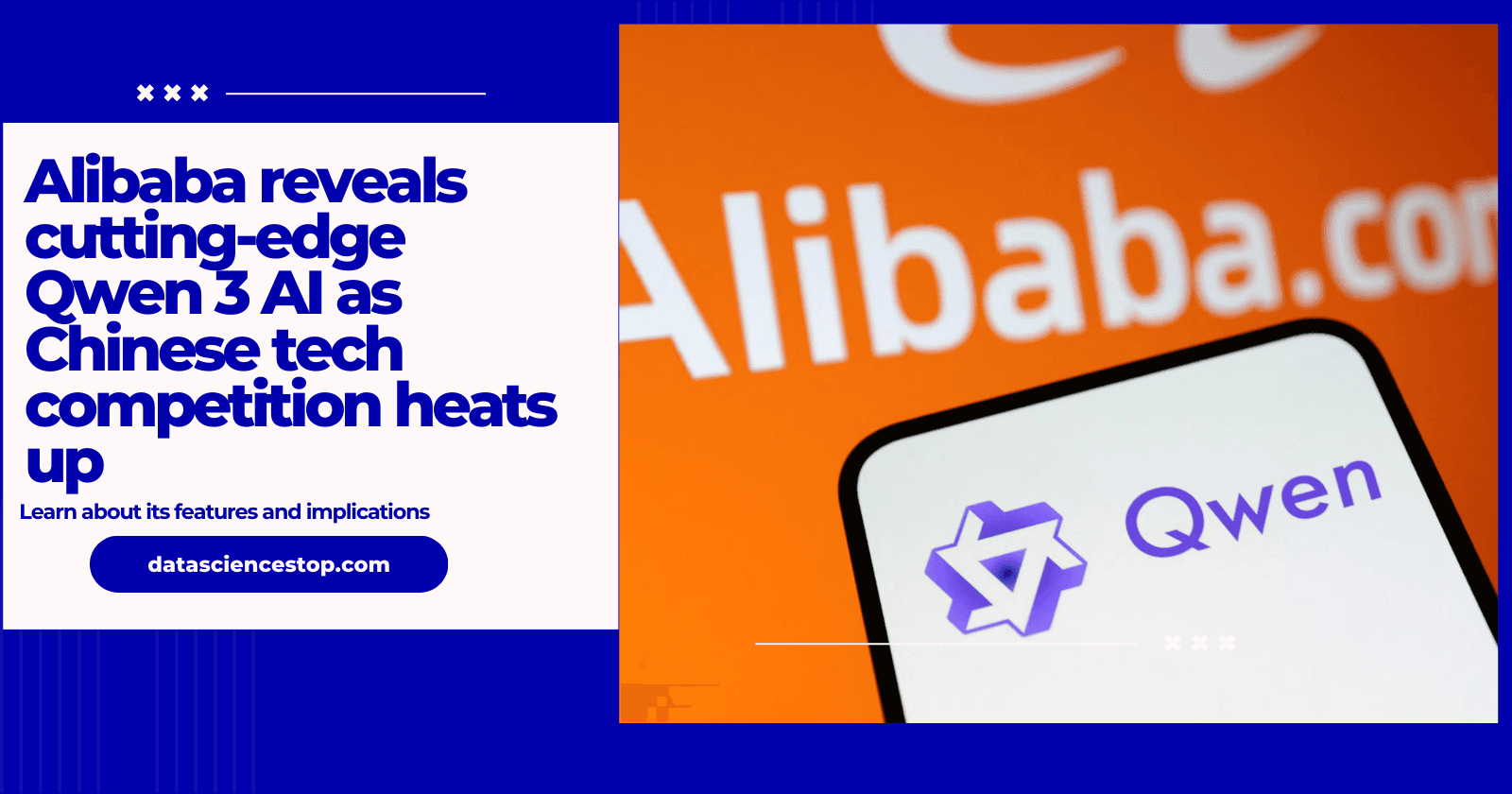
Alibaba's cutting-edge Qwen 3 AI raises the bar in China's competitive tech scene with hybrid reasoning, multi-language capabilities
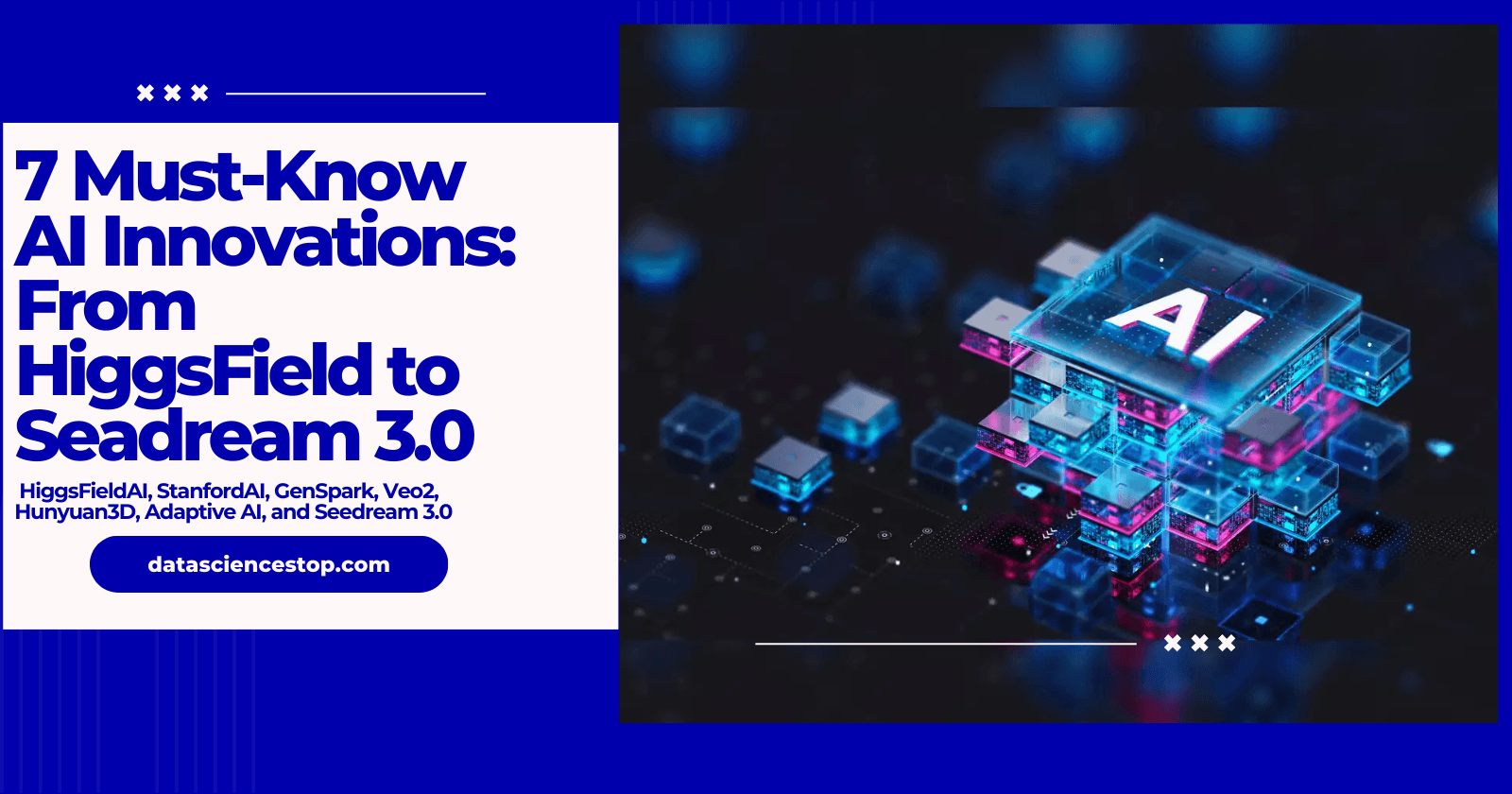
our comprehensive guide to HiggsFieldAI, StanfordAI, GenSpark, Veo2, Hunyuan3D, Adaptive AI, and Seedream 3.0. Discover their unique purposes, features, and potential. The AI landscape is ever-changing, with new platforms and tools developing at bre...
Discover features, advantages & disadvantages, and tips to select the perfect tool for your creative purposes—no design expertise needed!

Perplexity AI's latest iOS Voice Assistant transforms on-device AI activities—book a reservation, send an email, play media & more with voice commands. A Siri alternative with real-time web search and multi-app integration Perplexity's voice assista...
UN Advisory Body Calls for Global Governance of AI to Address Inequality and Risks
Artificial intelligence is fastly transforming mankind worldwide, bringing both opportunities and challenges. The United Nations has accepted the need for global cooperation to tackle AI's potential while addressing its risks. Newly, a UN advisory body called for coordinated international governance of AI to tackle imbalance and reduce potential harms.
This article investigates the UN's proposal for global AI governance. It explores how a united approach could address AI-related inequalities between nations and groups. The piece also discusses strategies to manage AI risks and ensure accountability. Finally, it outlines key elements of the proposed framework for overseeing AI development and use on a global scale.
The United Nations AI Advisory Body has emphasized the critical need for global governance of artificial intelligence. This call came from the recognition that AI's development and deployment cannot be left solely to market forces. The advisory body highlights that AI's moving nature necessitates a global approach to address its challenges and harness its potential for the benefit of all nations.
The body stresses the importance of establishing international standards and regulatory measures to ensure responsible AI development. It proposes creating an AI standards exchange to develop a register of definitions and applicable standards for measuring and evaluating AI systems. This exchange aims to bridge the gap between various standards bodies and create a common language for AI governance.
To address the widening digital divide, the advisory body recommends setting up a global fund for AI. This fund would help facilitate access to AI enablers, particularly for countries lacking adequate resources or infrastructure .
The fast advancement of artificial intelligence has the potential to expand the gap between high and low-income countries,compound economic and social inequalities. This "AI divide" means that high-income nations disproportionately benefit from AI improvements, while low- and medium-income countries, particularly in Africa, may lag behind . Unequal influences to infrastructure, technology, quality education, and training could lead to potholed adoption of AI, deepening global inequalities. To inscribe this urgent need, initiatives like the AI for Good project, in partnership with the United Nations Development Program (UNDP), have launched the AI Skills Coalition. This aspiring project aims to democratize AI knowledge, ensuring that everyone, regardless of their background, has access to the skills necessary to grow in an AI-powered world.
As AI continues to move forward , nations face significant challenges in addressing its potential risks. One major concern is the "black box problem," where the decision-making process of AI systems remains non-transparent , making it difficult to understand and to get solutions. This lack of unambiguity poses challenges for accountability and trust, especially in critical applications like healthcare and finance. Another serious issue is AI bias, which can lead to discriminatory outcomes and sustain existing inequalities. To tackle these challenges, nations are exploring various approaches, including the development of explainable AI techniques and the execution of robust regulatory frameworks. These efforts aim to ensure that AI systems are transparent, accountable, and aligned with ethical standards, ultimately stimulating public trust in this transformative technology.
The UN AI Advisory Body has put forward a comprehensive chassis to address the challenges of global AI governance. This framework focuses to foster a common understanding of AI, promote international cooperation, and ensure the technology benefits all of humanity. To achieve these goals, the body recommends initiating an International Scientific Panel on AI to provide impartial knowledge about AI capabilities and risks Additionally, it proposes creating an AI standards exchange to develop a shared language for evaluating AI systems
1. The framework also calls for a global AI capacity evolution network and fund to boost governance capabilities and support local efforts aligned with sustainable development goals
The UN's call for global AI governance marks a pivotal step to harnessing the challenges posed by this rapidly evolving technology. By proposing a combined approach, the UN aims to overpass the AI divide and ensure that the benefits of AI are shared equally across nations. This framework, which includes initiatives like the AI standards swapping and a global fund for AI, has the potential to shape the future of AI development in a way that aligns with sustainable evolution of goals and ethical standards.
1.UN Advisory Body calls for global governance of AI to address inequality, risks ,data use challenges
2.AI risks left unchecked, expert warns ahead of UN report
3.UN advisory body makes seven recommendations for governing AI
More Recent Articles

