
Understanding Generative AI vs Traditional AI: A Simple Guide for Everyone
Artificial intelligence (AI) is a rapidly growing field with applications in a wide range of industries. One of the most exciting areas of AI research is generative AI, which is the ability to create new content. Generative AI is used to create everything from realistic images to creative text formats.
In this article, we will discuss the difference between generative AI and traditional AI. We will also explore some of the ways that generative AI is being used today.
What is Generative AI?
Generative AI is a type of machine learning that can be used to create new content. This content can include text, images, videos, and even music. Generative AI is still in its early stages, but it has the potential to revolutionize the way we create and consume content.
There are a number of different generative AI models available. Some of the most popular models include:
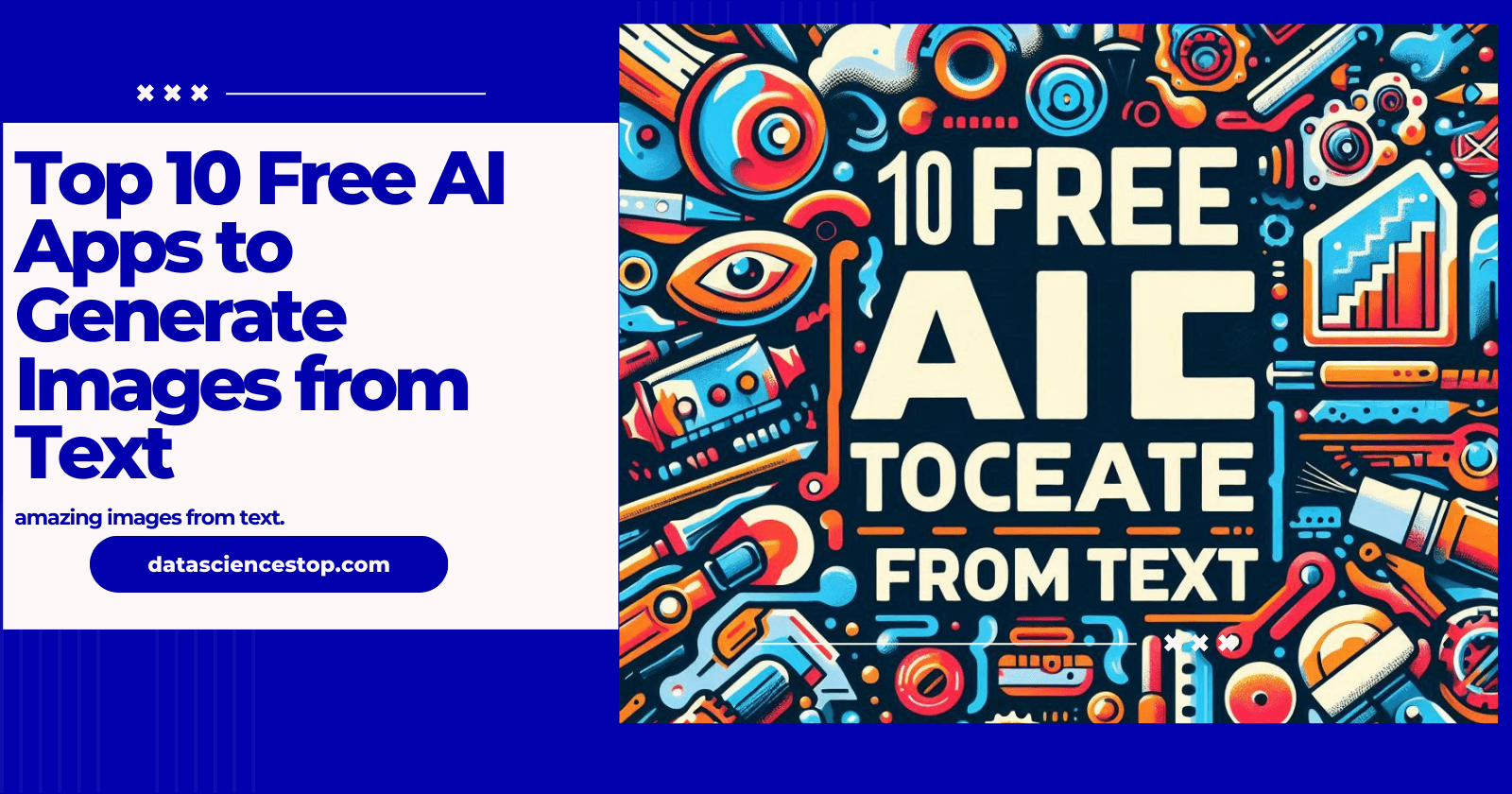
- DALL-E 2: This model can create realistic images from text descriptions.
- Bard: This model can generate text, translate languages, write different kinds of creative content, and answer your questions in an informative way.
- Midjourney: This model can create realistic images and videos.
These models are trained on massive datasets of text, images, and videos. This allows them to learn the patterns that underlie these different forms of content. Once they have learned these patterns, they can use them to create new content that is similar to the content they were trained on.
What is Traditional AI?
Traditional AI is a type of AI that is used to solve problems. This type of AI is typically used to classify data, make predictions, and automate tasks. Traditional AI is more mature than generative AI, and it is used in a wide range of industries.
Some of the most popular traditional AI algorithms include:
- Support vector machines: These algorithms are used for classification and regression tasks.
- Decision trees: These algorithms are used for classification and regression tasks.
- Neural networks: These algorithms are used for a variety of tasks, including classification, regression, and natural language processing.
The Difference Between Generative AI and Traditional AI
The main difference between generative AI and traditional AI is that generative AI creates new content, while traditional AI solves problems. Generative AI is still in its early stages, while traditional AI is more mature and is used in a wider range of industries.
Here is a table that summarizes the key differences between generative AI and traditional AI:
| Feature | Generative AI | Traditional AI |
|---|---|---|
| Purpose | Creates new content | Solves problems |
| Maturity | Early stages | More mature |
| Applications | Image generation, text generation, music generation, etc. | Classification, regression, natural language processing, etc. |
How is Generative AI Used Today?
Generative AI is being used in a variety of industries today, including:
- Entertainment: Generative AI is being used to create realistic images, videos, and even music. This is leading to new and innovative forms of entertainment.
- Marketing: Generative AI is being used to create personalized marketing campaigns. This is helping businesses to reach their target audiences more effectively.
- Education: Generative AI is being used to create personalized learning experiences. This is helping students to learn more effectively.
- Healthcare: Generative AI is being used to develop new medical treatments. This is helping to improve the lives of patients.
The Future of Generative AI
Generative AI is a rapidly growing field, and it is expected to have a major impact on the world in the years to come. Some of the potential applications of generative AI include:
- Creating realistic virtual worlds: Generative AI could be used to create realistic virtual worlds that could be used for training, entertainment, or even social interaction.
- Generating new products and services: Generative AI could be used to generate new products and services that meet the needs of consumers.
- Personalizing experiences: Generative AI could be used to personalize experiences for individuals, such as tailoring news feeds or recommending products.
The future of generative AI is bright, and it is likely to have a major impact on the way we live, work, and play.
Conclusion
Generative AI is a powerful new technology that has the potential to revolutionize the way we create and consume content. As generative AI models become more powerful and affordable, they will be used to create new and innovative forms of content that will engage and entertain audiences in ways that were not possible before.
I hope this article has helped you to understand