

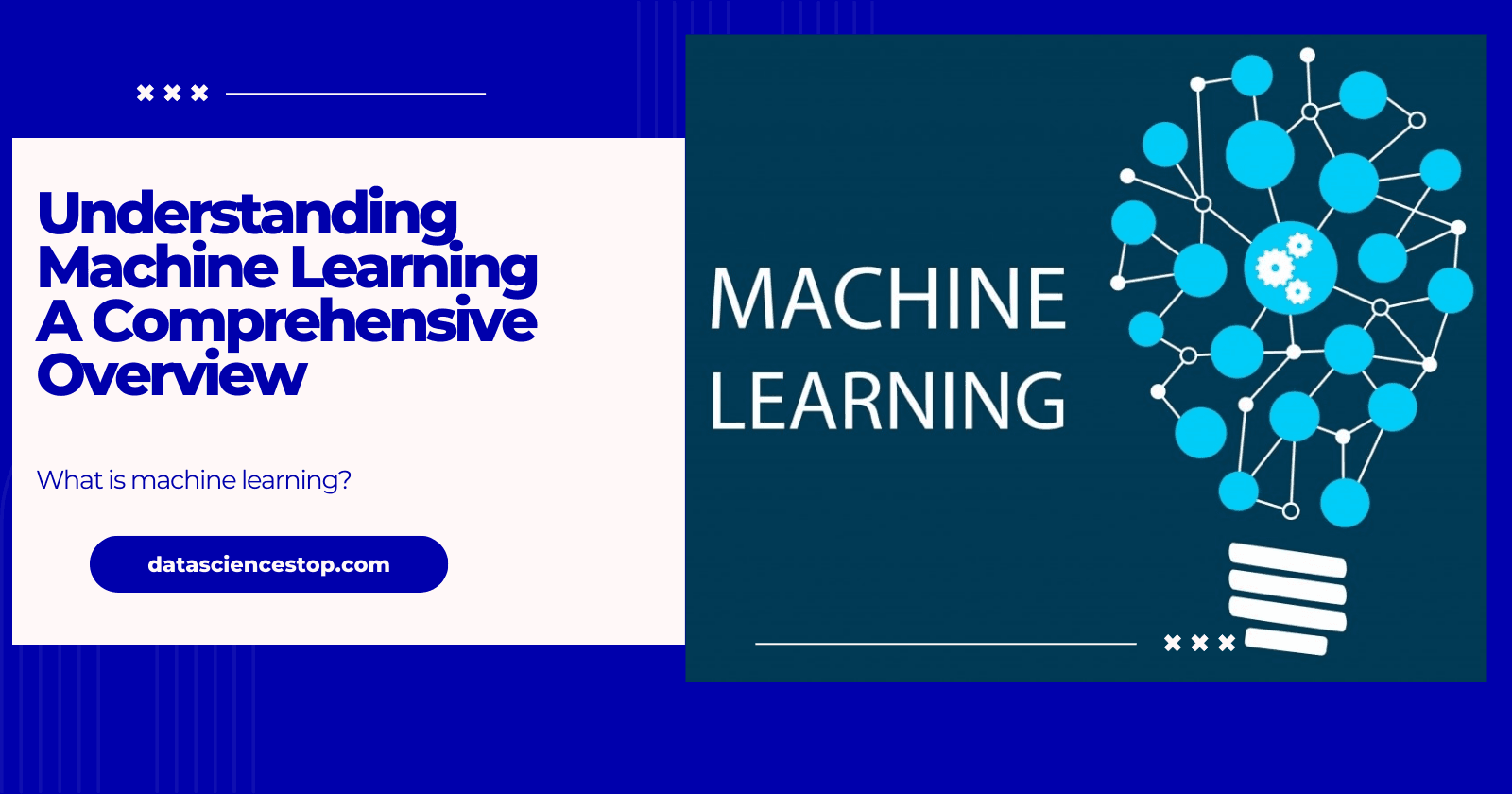
Understanding Machine Learning: A Comprehensive Overview
Search for a command to run...
No comments yet. Be the first to comment.
ChatGPT's innovative new shopping tools are revolutionizing internet shopping through bespoke recommendations, streamlined searching, and future-proof

Alibaba's cutting-edge Qwen 3 AI raises the bar in China's competitive tech scene with hybrid reasoning, multi-language capabilities

our comprehensive guide to HiggsFieldAI, StanfordAI, GenSpark, Veo2, Hunyuan3D, Adaptive AI, and Seedream 3.0. Discover their unique purposes, features, and potential. The AI landscape is ever-changing, with new platforms and tools developing at bre...
Discover features, advantages & disadvantages, and tips to select the perfect tool for your creative purposes—no design expertise needed!

Perplexity AI's latest iOS Voice Assistant transforms on-device AI activities—book a reservation, send an email, play media & more with voice commands. A Siri alternative with real-time web search and multi-app integration Perplexity's voice assista...

Understanding Machine Learning: A Comprehensive Overview
Machine learning (ML) is one of the interesting areas of artificial intelligence that allows computers to learn and make decisions without explicit programming. Instead of writing long lists of instructions, we provide the machine with data and algorithms and let it learn patterns, make predictions, or improve its performance over time.
"A computer program is said to learn from experience E with respect to some class of tasks T and performance measure P if its performance at tasks in T, as measured by P, improves with experience E."
Tom M. Mitchell (Author of Machine Learning)
This technology forms the basis of many innovations used every day, from getting customized recommendations on Netflix, through spam detection in your emails, to voice recognition by smartphones.
At its core, machine learning involves three key steps:
Machines need data to learn. Numbers, images, text, even sounds.
A machine learning model is produced by algorithms. These models show patterns in the data. Once it is trained, the model will make a prediction or a decision with new, unseen data.For instance, a machine learning model trained on customer purchasing data may predict which products a user is likely to buy next.
The model learns from labeled data. For example, labeling emails as "spam" or "not spam."
The model automatically discovers patterns in data without the use of labeled examples.
"Algorithms are the recipes that transform data into knowledge."
Pedro Domingos (Author of The Master Algorithm)
Example-Clustering customers based upon purchasing behavior.
The model learns by trial and error in order to reach a desired objective, such as training a robot to walk.
A thorough literature review and case studies of existing work, along with real-world applications, were conducted for this machine learning study. Data gathering was carried out through the use of research papers, industry reports, and expert opinions from sources considered reputable.
"In a sense, machine learning is the ultimate democratizer. It's about coding the future, and anyone can learn how to do it."
Sebastian Thrun (Founder of Udacity)
Supervised learning, unsupervised learning, and deep learning techniques were reviewed for the different applications and impact made.
These discoveries suggest that machine learning has so many potential applications in different types of business lines.
In the health and care sector, for instance, diseases are diagnosed using machine learning algorithms and tailored treatment plans recommended.
In finance, prediction analytics powered by machine learning enhances fraud detection and management of risk.
Additionally, marketing applies recommendation systems powered by machine learning to increase customer engagement and sales.
The results point towards the transformative power of machine learning in changing innovation and efficiency.
By automating intricate tasks, optimizing processes, and predicting outcomes, machine learning is revolutionizing how business strategies are planned and how decisions are reached.
The capacity of machine learning models in analyzing large volumes of data and extracting valuable insights opens ways for data-driven solutions and augmented user experiences.
Moreover, ethical considerations about machine learning, like algorithm bias and data privacy, make it even more indispensable to be responsible when deploying AI.
Machine learning is changing industries by automating processes, improving accuracy, and predicting the future.
Personalization: recommendations for movie-watching.
Efficiency:Automating repetitive work.
Innovation: This is enabling innovations like self-driving automobiles and medical diagnostics.
"With artificial intelligence, we are summoning the demon. You can’t control it—yet it holds incredible potential."
Elon Musk (CEO of Tesla and SpaceX)
As the algorithms get more complex with time, transparency, fairness, and accountability in an AI system would play a crucial role in fostering trust and mitigating potential risks.
If you're intrigued by machine learning and want to dive deeper, visit DataScienceStop.com. Our platform offers a wealth of resources on data science and AI, including easy-to-read blogs, expert insights, and a free newsletter packed with updates on the latest trends.
This places machine learning at the forefront of technological innovations and endless possibilities for innovation and growth. As consumers, businesses, and policymakers make sense of this rapidly changing environment, we have a responsibility to embrace machine learning in an ethically responsible manner and exploit its capabilities for the benefit of all.


