
What Trump's win may mean for AI regulation
Search for a command to run...
No comments yet. Be the first to comment.
ChatGPT's innovative new shopping tools are revolutionizing internet shopping through bespoke recommendations, streamlined searching, and future-proof

Alibaba's cutting-edge Qwen 3 AI raises the bar in China's competitive tech scene with hybrid reasoning, multi-language capabilities
our comprehensive guide to HiggsFieldAI, StanfordAI, GenSpark, Veo2, Hunyuan3D, Adaptive AI, and Seedream 3.0. Discover their unique purposes, features, and potential. The AI landscape is ever-changing, with new platforms and tools developing at bre...

Discover features, advantages & disadvantages, and tips to select the perfect tool for your creative purposes—no design expertise needed!

Perplexity AI's latest iOS Voice Assistant transforms on-device AI activities—book a reservation, send an email, play media & more with voice commands. A Siri alternative with real-time web search and multi-app integration Perplexity's voice assista...
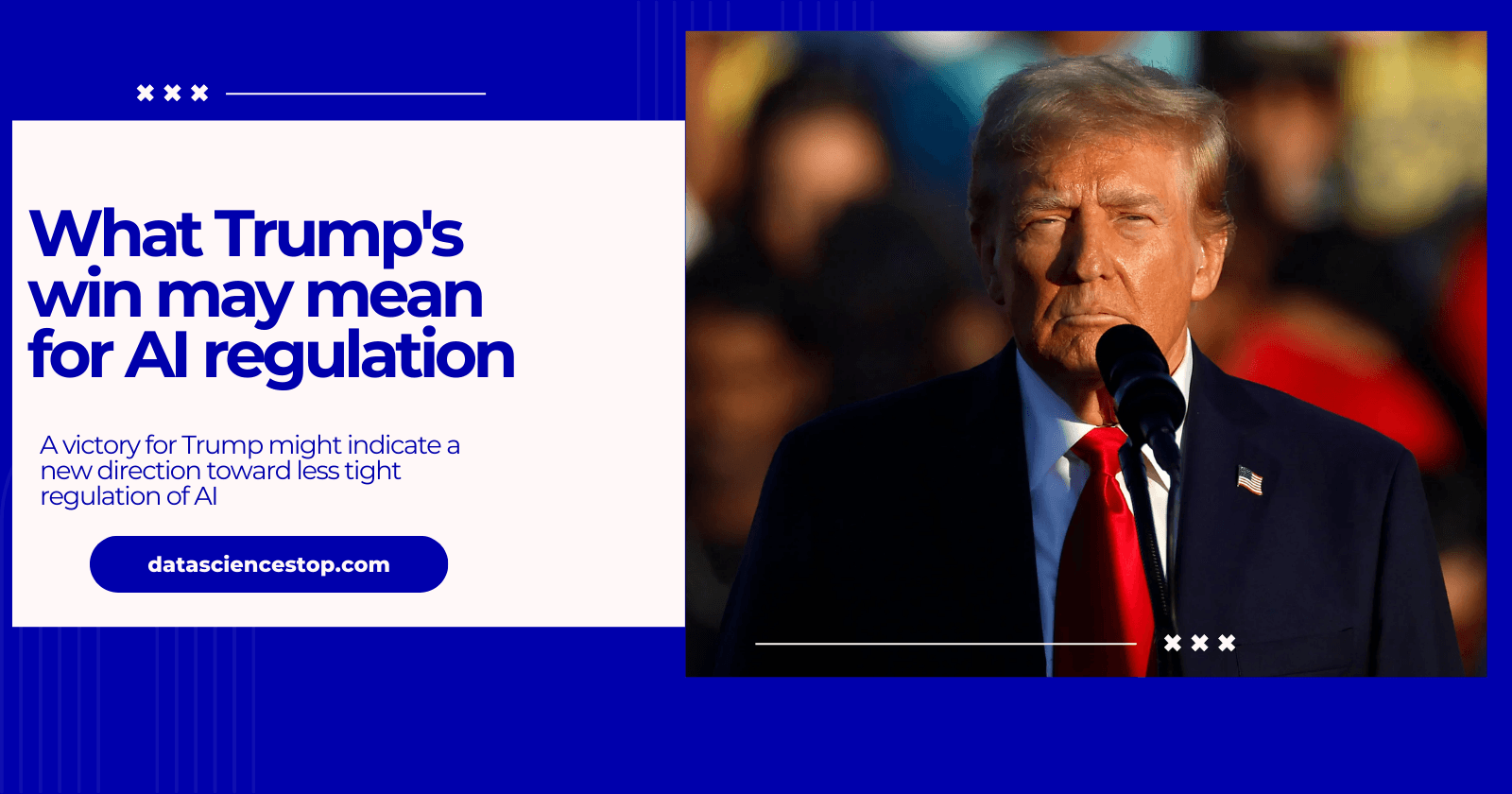
What Trump's win may mean for AI regulation
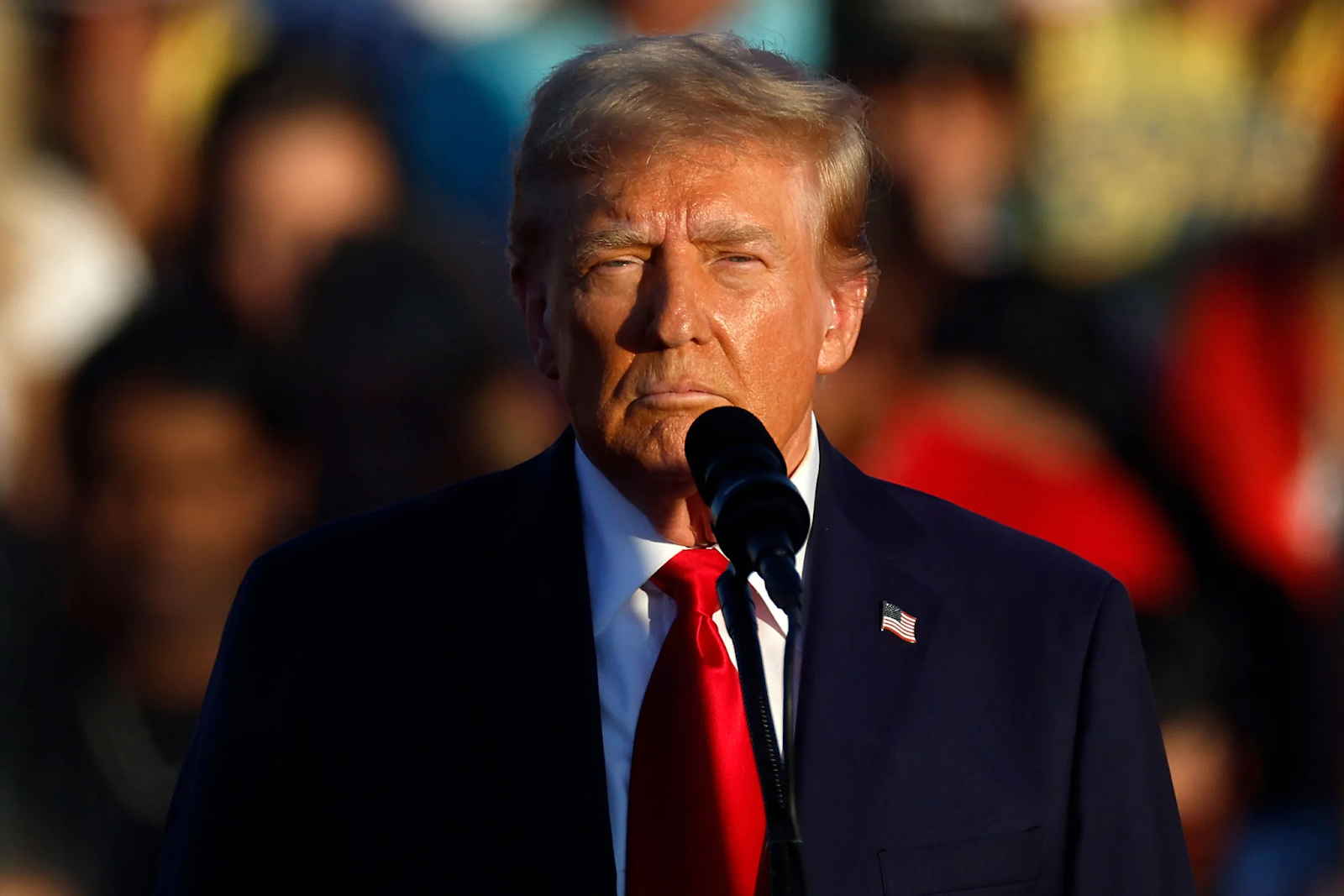
Donald Trump's election in the recently held 2024 presidential election is expected to massively influence artificial intelligence regulation within the US. This is one of the most important takeaways of what his administration may mean for AI regulation:
Trump has announced that he will roll back Biden's structure for AI regulatory frameworks which had been established through an executive
An order that appears designed to address the threats AI poses to security while promoting responsible AI development, likely to further a permissive environment for AI companies since the Trump administration will continue to favor a light-touch regulatory approach centered on innovation rather than oversight
Strong ties with influential figures in the tech world, such as Elon Musk, may make the Trump administration change policies according to the interests of influential companies in the tech world, such as Elon Musk, who has been known to campaign for minimal regulation. Thus, the policy on AI is likely to bring relief to the loads of compliance burdens on the developers of AI.
States can step into the breach as federal oversight fades. Indeed, already some have begun to develop their own AI rulemaking regarding such matters as the privacy of data and the ethical use of AI technology. Ultimately this may lead to a patchwork quilt of state laws drastically different from one another across the country, increasing the burden of compliance for enterprises having a national scope
The expected deregulation is to get quick breakthroughs in AI technologies. On the other hand, the issue of consumer protection and ethical standards remains side by side. According to the critics, a deregulated environment may heighten the risks of biasing algorithms and data exploitation without proper safeguards. It is going to be a challenge for Trump's administration to balance innovation and public interest
A victory for Trump might indicate a new direction toward less tight regulation of AI: towards innovation as well as towards economic growth. The darker side could be the fact that enormous ethics and safety concerns are brought up in the information technologies that require a continuous dialogue among policymakers, industry leaders, and public sectors to ensure responsible AI development.
What Trump's victory could mean for AI regulation - TechCrunch
Trump’s potential impact on emerging and disruptive technologies - The Bulletin
Trump 2.0 will have a massive impact on AI, chips and other crucial tech issues - Fortune